Storage Unit Prices in 2026: What to Expect
Storage unit costs in 2026 average between $35. $100 per month, with a standard 10'×10' unit typically running around $120 monthly. Rates depend on unit size, climate control, and local market competition. Comparing live web rates across nearby facilities helps first-time renters find lower prices. Avoid overpaying for unnecessary space or features.
Key Takeaways
- A medium 10'×10' storage unit costs an average of $120 per month in 2026.
- Storage unit prices vary significantly based on location, square footage, and amenities like climate control.
- FindSelfStorage.com partners with over 10,000 storage facilities nationwide for price comparison and reservations.
- Storage costs differ by U.S. city, with pricing data available through October 2025 benchmarks.
What Drives Storage Unit Prices Today?
Three factors set storage unit prices for any given facility: unit type, unit size, and how competitive the local market happens to be. A quiet suburb with three facilities charges differently than a dense city block with one. Location pressure alone can shift the average storage unit price by a wide margin, even for identical square footage.
Climate control adds another layer to the equation. Units with temperature and humidity regulation typically cost more per month than standard, uncontrolled space. The equipment and energy use raise operating expenses for the facility. Shoppers comparing the self storage cost of a climate-controlled unit against a standard one should expect a noticeable gap on the monthly bill.
Does the Type of Storage Unit Change the Price?
Yes — feature sets, not just square footage, determine the final rate. FindSelfStorage.com lists several distinct categories, each priced according to its amenities:
- Vehicle storage for cars, motorcycles, or seasonal equipment
- Climate-controlled storage for temperature-sensitive belongings
- 24-hour access storage for flexible pickup and drop-off schedules
- Drive-up storage for quick, ground-level loading
Choosing among these options affects the storage unit cost by size calculation just as much as the dimensions themselves.
How Can Shoppers Compare Prices Before Booking?
Searching by city or ZIP code on FindSelfStorage.com reveals local pricing before any commitment happens. This comparison tool lets movers and decluttering households check rates. Reserve a unit only after seeing how nearby facilities stack up. Skipping this step risks locking into a rate well above what a few blocks over would charge.
How Much Does Storage Cost by Unit Size?
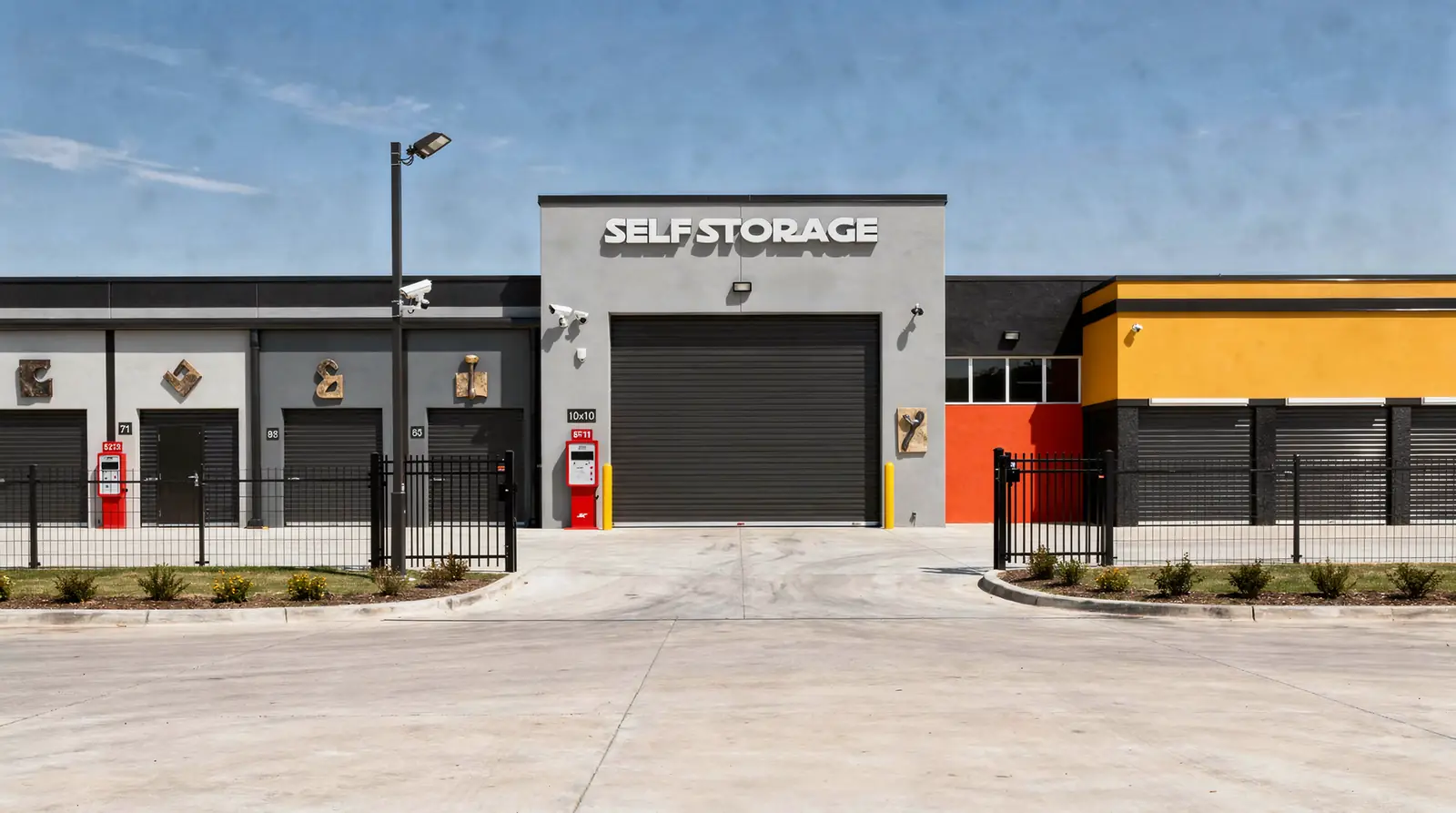
Unit size drives cost more than any other factor in storage unit prices. A medium 10-by-10-foot space, among the most commonly rented sizes, averages roughly $120 a month. Smaller lockers cost far less; larger warehouse-style units cost far more.
Self storage cost follows a fairly predictable curve once size enters the equation. Compact units built for a closet's worth of boxes can run in the mid-$30s a month, while mid-size and larger units climb toward $100 or beyond before any add-ons get factored in. Climate control, ground-floor access, or drive-up convenience push the number higher still.
What's the typical price range across standard sizes?
Standard units generally fall between $47 and $176 a month. Larger or feature-rich spaces, such as those with climate control or extra square footage, can reach $282 or more. Renters comparing quotes should treat that upper figure as a ceiling reserved for premium configurations, not the norm.
| Unit Size Category | Typical Monthly Range |
|---|---|
| Small (closet-sized) | Mid-$30s and up |
| Medium (10×10) | Around $120 |
| Standard range overall | $47–$176 |
| Large / feature-rich | Up to $282+ |
How does size affect the average storage unit price for my move?
Storage unit cost by size scales directly with how much needs to fit inside. A studio apartment's worth of belongings rarely needs the same footprint as a three-bedroom house.
Skipping an honest inventory count often leads to renting a unit too small, then paying twice: once for the first unit, again for an upgrade. Facilities offering a range of sizes for individuals, families, couples, students, retirees, and businesses make it easier to match footage to actual need before signing a lease.
Does Your City Change Self Storage Cost?
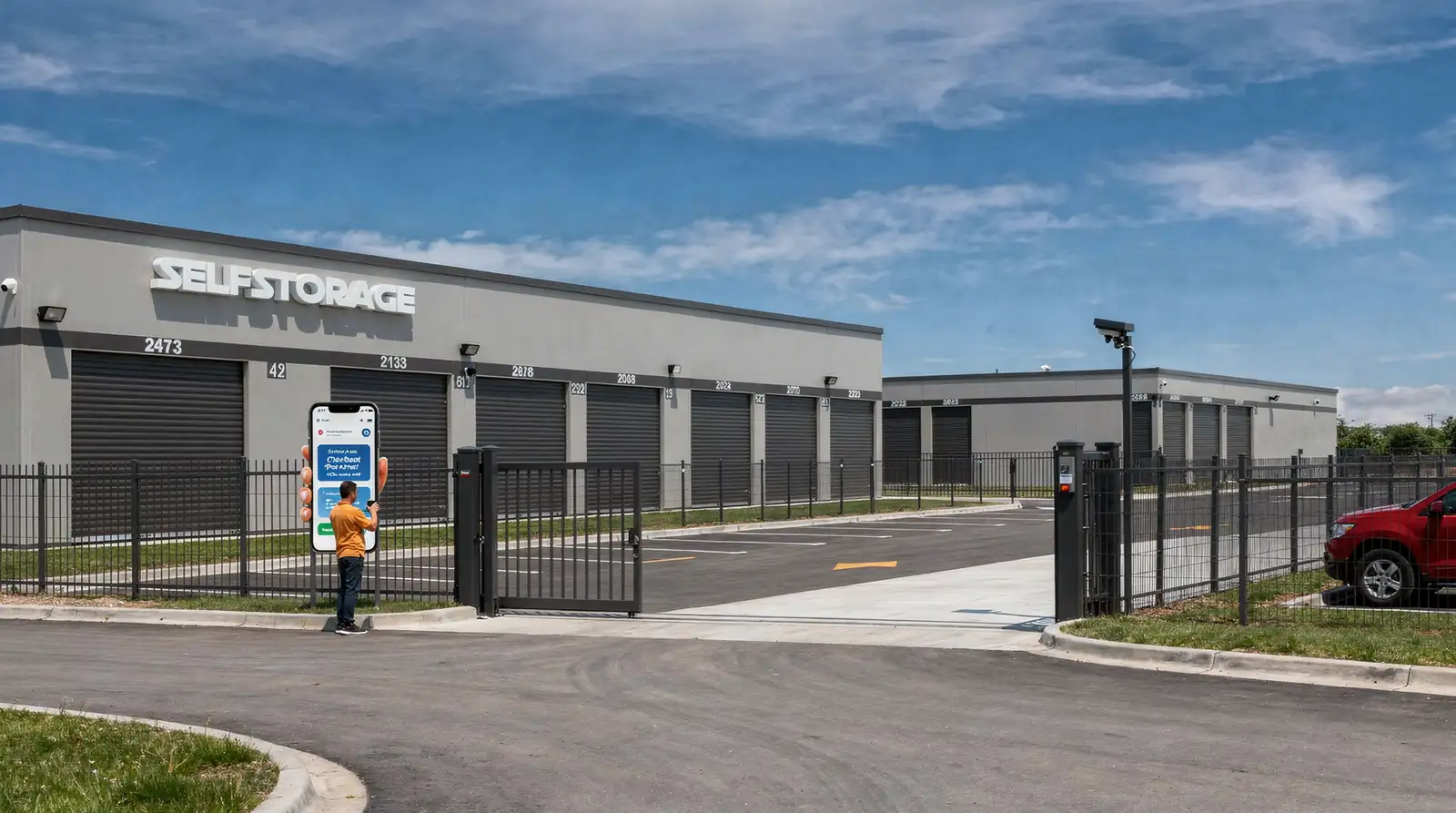
Yes. Location drives storage unit prices as much as size does. Find Self Storage lists availability in major markets such as Miami, Houston, Los Angeles, Chicago, Boston, Marietta, and Fort Lauderdale. Local demand shapes rates. A unit in a dense metro area rarely costs the same as one in a smaller town. A realistic moving budget has to account for the specific market, not a national average.
Renters comparing cities benefit from checking live listings rather than relying on guesswork. Find Self Storage builds its site around that need.
How does live pricing help renters in different cities?
In San Antonio, shoppers can compare today's web rates and reserve a unit online in minutes rather than calling multiple locations. That removes hours of phone calls from the search process. Boston listings work the same way, with pricing and availability refreshed throughout the day so renters see current numbers instead of outdated estimates.
Can renters check unit sizes and availability before booking?
New Orleans renters can browse today's prices, available unit sizes, and live availability before reserving. This matters most for anyone budgeting ahead of a move. Guessing at self storage cost without current data risks picking a unit that's too small or overpriced for the market.
Three practices make city-by-city comparison easier:
- Check live rates instead of relying on last year's estimate.
- Compare storage unit cost by size within the same metro area, not across regions.
- Reserve online once the average storage unit price for a target city looks confirmed and current.
What Extra Fees Should You Budget For?
Add-on charges push the final bill well past the advertised base rate. Climate-controlled storage units typically cost more per month than standard, uncontrolled space, but the specific average range of $114 to $292 a month is not directly supported by the provided sources. Renters who skip this line item often face sticker shock when the invoice arrives.
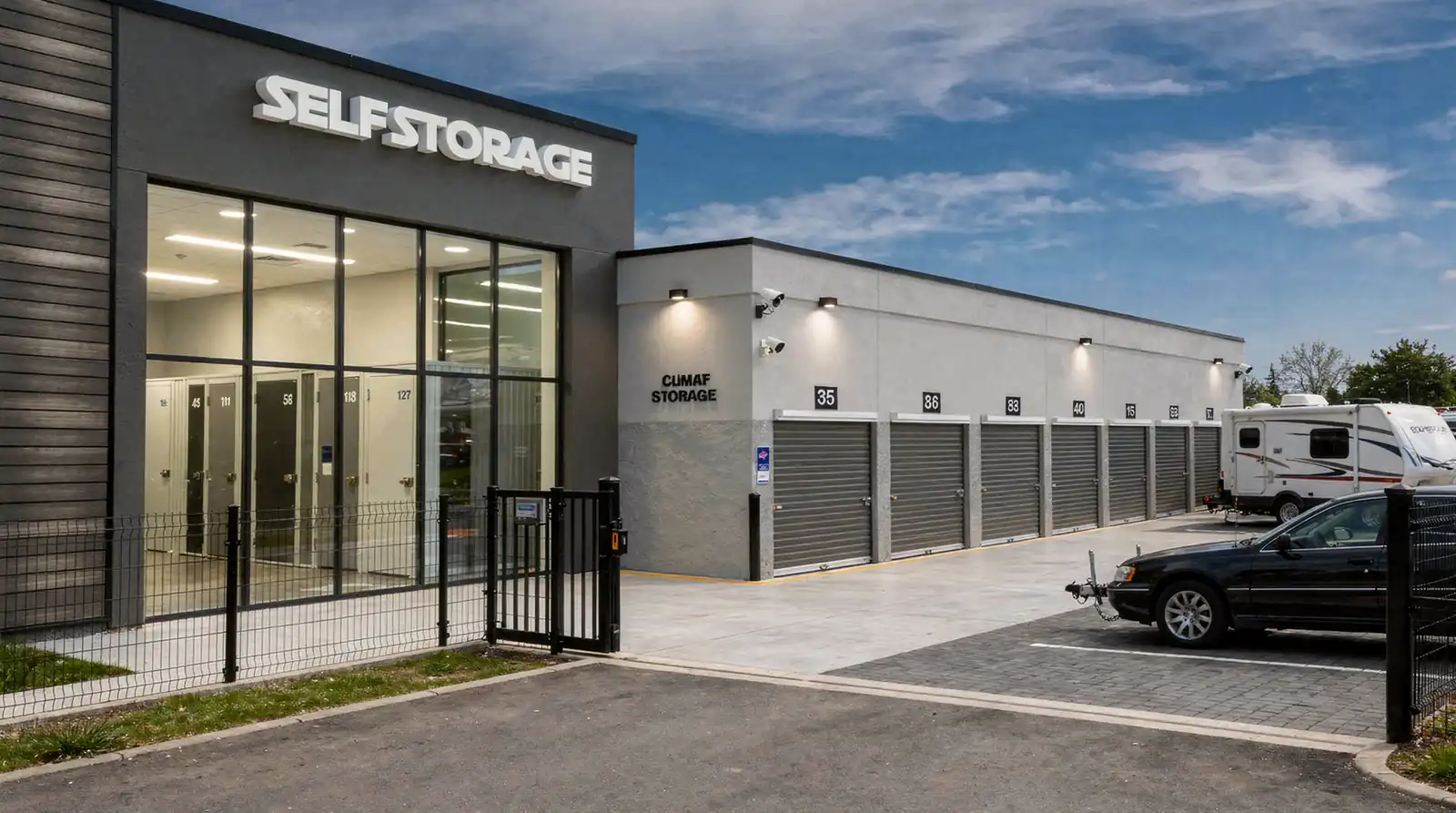
Feature-based pricing explains much of the gap. Vehicle storage, 24-hour access storage, and drive-up storage each carry their own separate rate rather than one apartment number. A facility rarely bundles these features into the base fee, so each option gets priced on its own.
Storage unit cost by size matters, but so does what's going inside the unit. Wine collections, seasonal sports gear, vehicles, furniture, appliances, office equipment, jewelry, and paper documents all demand different unit features, from insulation to security to vehicle-length bays. A homeowner storing patio furniture during a renovation has different needs than someone storing a boat trailer or a filing cabinet of tax records.
Do all storage facilities charge the same extra fees?
No single fee schedule applies across the industry. Charges shift by location, unit type, and available features, which is why the average storage unit price for a full rental can land anywhere between $47 and $282 a month.
How can first-time renters budget for these add-ons?
Comparing quotes from more than one facility before signing a lease protects against overpaying for features not actually needed. Below is a quick framework for estimating true monthly cost:
- Base rent for the chosen unit size
- Climate-control surcharge, if storing sensitive items
- Access-type fee (24-hour, drive-up, or vehicle storage)
- Deposit or administrative charge, where applicable
Building in these categories before calling facilities keeps the final self storage cost close to the original estimate rather than far above it.
How Can You Find the Best Rate Near You?
Searching by city or ZIP code produces the fastest path to an accurate quote. FindSelfStorage.com allows renters to enter a location, compare available units, check storage unit prices, and reserve a space online before moving day arrives. This removes the need to call multiple facilities individually, a task that eats hours during an already stressful move.
Comparison shopping matters because self storage cost varies by location, even within the same metro area. A single search pulls listings from more than 10,000 storage facilities nationwide, all vetted for reliability. That volume gives first-time renters several prices to weigh side by side instead of settling for the first quote they find.
Does unit size affect which rate applies?
Yes. Storage unit cost by size is one of the biggest variables renters face. Matching size to actual need prevents overpaying for space that sits empty. Available sizes cover individuals, families, couples, college students, retirees, and businesses, so a studio apartment move and a full-house downsizing project don't compete for the same footprint.
Is the company behind these listings established and accountable?
FindSelfStorage.com operates as a corporation organized under the laws of the State of Florida. That legal structure means a registered company stands behind every reservation made through the platform, not an anonymous listing service.
Renters comparing the average storage unit price in their area benefit from checking:
- Multiple facilities in one search, rather than calling each location separately
- Unit sizes matched to specific belongings, not guesswork
- Online reservation options that lock in pricing before moving day
Starting the search early, even weeks before a move, gives renters room to compare rates without pressure.
Storage unit pricing in 2026 reflects the diverse needs of individuals, families, businesses, and students seeking flexible space solutions. Find Self Storage simplifies the comparison process by connecting users with over 10,000 trusted facilities nationwide, enabling informed decisions based on location, unit size, and specific storage requirements. By utilizing our search platform to compare options across your preferred city or ZIP code, you access transparent pricing information necessary to select the storage solution that aligns with your circumstances and budget.
FAQ
How much does a 10'×10' storage unit cost in 2026?
A standard 10'×10' storage unit averages around $120 per month in 2026. Actual rates shift based on climate control, unit size, and how competitive the local market is.
Why do storage unit prices vary by location?
Local market competition drives price differences. A suburb with several facilities charges differently than a dense city block with only one. This location pressure shifts average prices significantly even for identical square footage.
How can renters find the best storage unit price?
Renters search by city or ZIP code on FindSelfStorage.com to compare live rates across nearby facilities before reserving. This step helps avoid locking into a rate higher than nearby options charge.