Portable Storage Container: Self-storage Units, Including Vehicle
Portable storage containers, like PODS units, arrive at a driveway for on-site loading, then transport to a new location or storage yard. Self-storage requires driving belongings to a fixed facility. Home renovators favor portable convenience. Long-distance movers benefit from self-storage's stationary security and flexible unit sizes found through FindSelfStorage.com facility comparisons.
Key Takeaways
- Portable storage containers work best for home renovations and moves requiring temporary access to belongings.
- Traditional self-storage units offer climate control and 24-hour access at FindSelfStorage.com's 10,000+ nationwide facilities.
- Portable containers deliver to your location; self-storage requires you to transport items to the facility.
- Self-storage provides flexible unit sizes for individuals, families, businesses, and specialized items like vehicles and wine.
What Sets Portable Containers Apart From Self-Storage?
Delivery location marks the core distinction. A portable storage container arrives at a driveway or curb. A traditional self-storage unit sits inside a fixed facility that renters must drive to. Moves, home renovations, and other life transitions push most people to weigh both options before committing to either one.
Self-storage units have long served as the default choice for anyone needing extra room. Facilities offer a wide range of unit sizes built for individuals, families, couples, students, retirees, and businesses, so capacity rarely limits the decision. Portable containers answer a different question: how much handling and travel is a renter willing to take on?
Which Option Offers More Convenience?
Convenience depends on how often access is needed during the storage period. A portable container stays on-site, letting renters load and unload on their own schedule without a facility visit. Self-storage requires travel to the location itself, though it removes the container from the property once loading finishes.
How Should Renters Compare Their Options?
Renters gain the clearest picture by comparing facilities side by side. Price, unit size, available features, location, and current availability all shape which solution fits a given situation.
- Price – rates vary by facility and container provider
- Size – both formats offer multiple capacity tiers
- Access – on-site containers versus scheduled facility visits
- Location – proximity to home versus delivery to the property
No single format suits every circumstance. Matching the format to the timeline, and the amount of hands-on access required, determines which choice makes sense.

When Does a Portable Storage Container Make Sense?
Home renovations create the clearest case for a portable storage container. Delivered directly to a driveway, the unit lets homeowners clear furniture and appliances before contractors arrive, then retrieve items without leaving the property. A homeowner in Des Moines used exactly this approach while renovating a kitchen and living room, storing belongings on-site through the entire project.
Speed matters during a remodel, and portable containers deliver it. Items get loaded quickly, and once construction wraps up, the container gets picked up from the driveway. No rental truck, no separate trip to a facility — the unit simply leaves once the homeowner is finished with it.
Are portable containers useful for contractors and mobile businesses?
Yes. Small contracting businesses that relocate frequently benefit from a portable unit's mobility. One Indiana-based contractor moves his operation from town to town every few weeks, using a container as a secure, relocatable base for tools and materials rather than renting new local storage at each stop.
Who benefits most from a portable storage container?
Three groups stand out:
- Homeowners mid-renovation who need furniture and appliances out of the way but still reachable
- Contractors and tradespeople who shift job sites regularly and need equipment to travel with them
- Renters or students managing short-term transitions who want delivery and pickup without truck logistics
Traditional self-storage still suits long-term, fixed-location needs. But when a project is mobile, temporary, or centered on a single property, a delivered container reduces the number of moving parts. Renovation timelines shrink the margin for error, and eliminating a truck rental removes one more variable from an already busy schedule. For contractors changing addresses every few weeks, that same portability turns a storage unit into a business asset rather than a fixed expense.
When Should You Choose Traditional Self-Storage Instead?
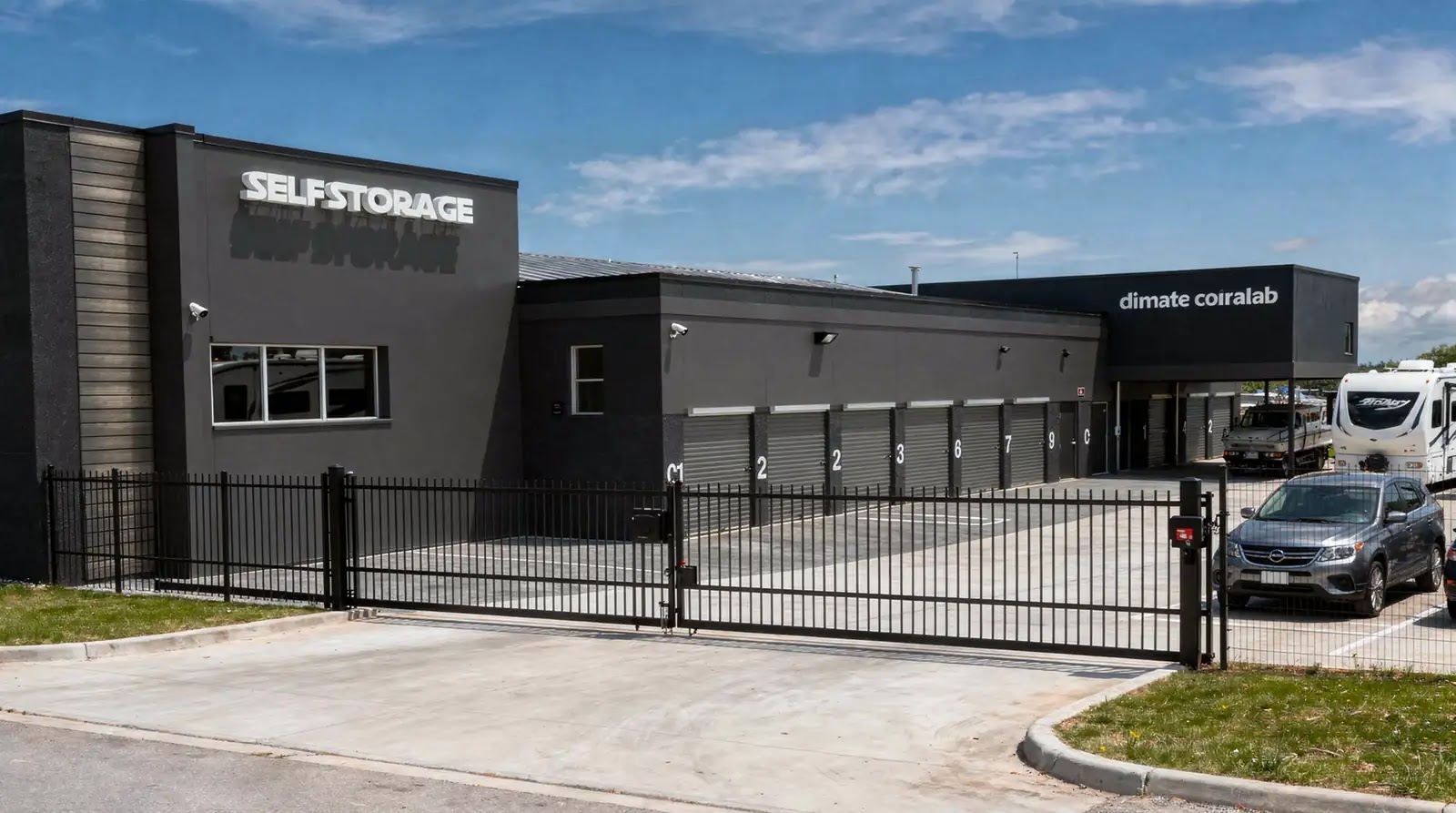
Long-term needs and self-transport favor traditional self-storage over portable units. Renters who can move their own belongings. Expect to store them for months rather than weeks gain more value from a fixed storage unit. Cost efficiency and unit variety make this option practical for people who don't require doorstep delivery.
Self-storage facilities also serve a wider range of tenants than portable containers typically do. Individuals, families, couples, college students, retirees, and businesses each face different space requirements, and unit sizing reflects that diversity. A student storing a dorm room's worth of belongings needs far less space than a family clearing out a four-bedroom house.
Portable storage containers work well for renovation projects, but traditional facilities offer features that stationary storage can't always match:
- Vehicle storage for cars, boats, or motorcycles
- Climate-controlled units for temperature-sensitive items
- 24-hour access for flexible scheduling
- Drive-up options for quick loading and unloading
What Can You Store in a Traditional Storage Unit?
Traditional units accommodate far more than boxes and furniture. Wine collections, seasonal sports equipment, vehicles, appliances, office equipment, jewelry, and important documents all fit within standard storage categories. This breadth makes self-storage a flexible solution rather than a one-size-fits-all box.
Is Self-Storage Better for Long-Term Use?
Yes, self-storage suits long-term needs better than most portable options. Renters storing items for a few months or several years benefit from stable monthly rates and consistent facility access. The tradeoff is transportation: renters must move items to and from the facility themselves, unlike delivery-based container services.
Businesses managing inventory, retirees downsizing a home, or families in transition often find traditional units more sustainable for extended storage timelines.
How Do Access, Pricing, and Availability Compare?
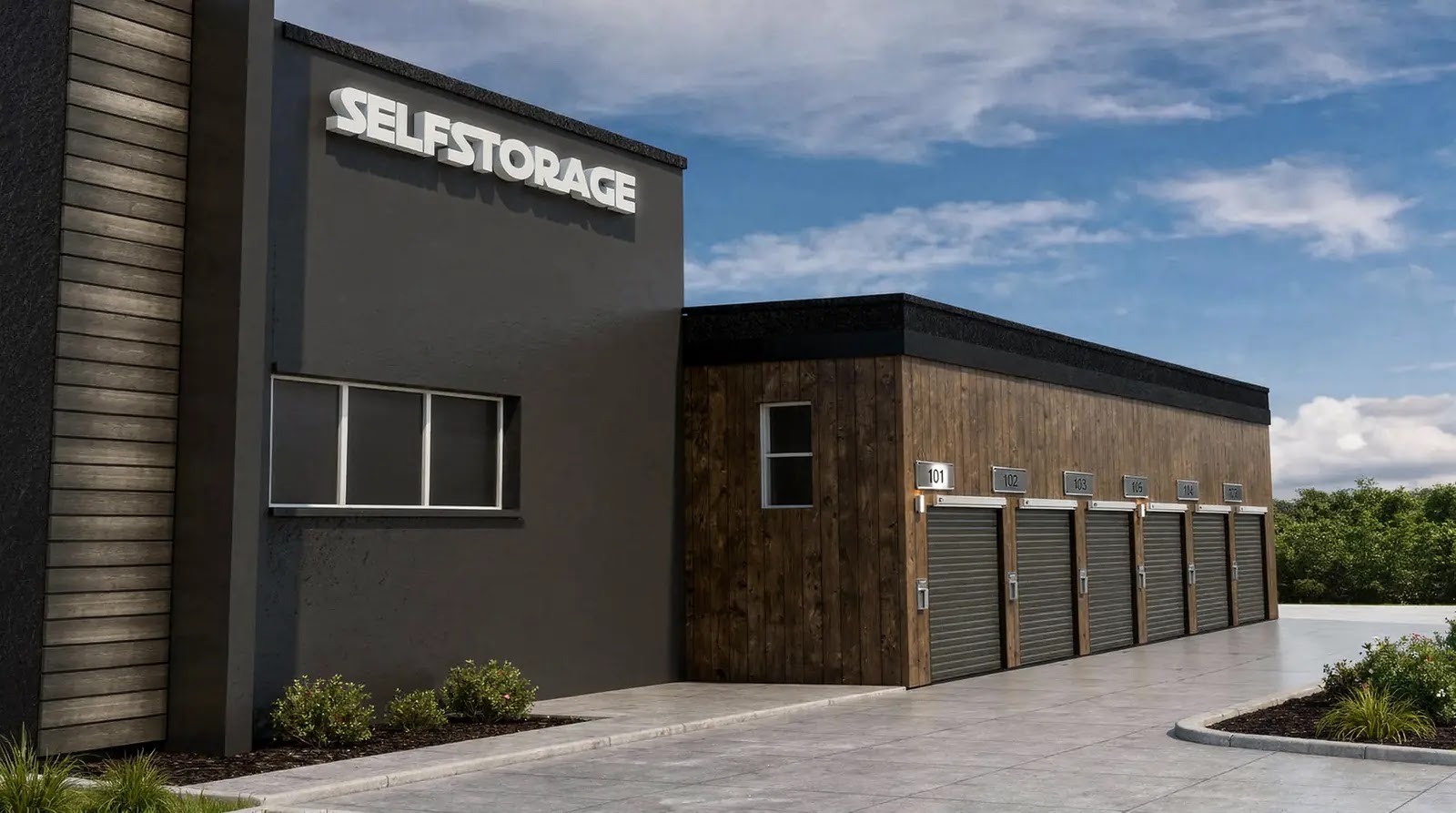
Access hours, price points, and unit availability shift from one storage facility to the next, sometimes within the same neighborhood. Renters weighing a traditional unit against a portable storage container need a way to compare these variables before committing to either option.
FindSelfStorage.com addresses that variation directly. The platform lets renters search by city or ZIP code, compare storage units, check current prices, and reserve space online without visiting multiple sites. Find Self Storage partners with more than 10,000 storage facilities nationwide, which widens the pool of options available for side-by-side comparison. Checking several facilities through a single marketplace surfaces more choices than browsing individual storage company websites one at a time.
Pricing, unit sizes, and promotional offers can differ significantly by location. A facility a few miles away may list a lower monthly rate, a larger unit, or a limited-time discount that a nearby competitor does not offer.
| Factor | What Renters Should Check |
|---|---|
| Access hours | Daily availability windows vary by facility |
| Pricing | Rates and promotions differ by location |
| Unit size | Availability changes based on demand |
How Many Hours a Day Can Renters Access Their Unit?
Access hours depend entirely on the individual facility's policy. Book Now Storage - Columbia, for example, permits tenant access every day of the week, from midnight through 11:59 p.m., according to listings on FindSelfStorage.com.
Why Does Pricing Change So Much Between Facilities?
Local demand, unit size, and available promotions all influence monthly rates. Two facilities in the same city can post different prices for a comparable unit, making direct comparison essential before reserving space.
Which Storage Option Fits Your Situation Best?
The right choice depends on renovation timelines, moving distance, and business inventory volume. Renters facing a kitchen remodel need different features than a company shipping equipment across state lines. Matching the situation to the correct storage type prevents wasted money and unnecessary hassle.
Businesses managing large volumes of materials, supplies, or equipment often confront this decision once on-site space runs short. Inventory piles up, job sites get cluttered, and a facility becomes necessary fast.
Is a Storage Unit or Portable Container Better for a Local Move?
For moves within the same city, a traditional storage unit offers a fixed, secure location without added delivery logistics. A portable storage container suits renters who want a unit delivered to their driveway, loaded on their own schedule, and hauled directly to the new address.
Which Cities Offer the Most Storage Options?
Find Self Storage lists units in major markets including Miami, Houston, Los Angeles, Chicago, Boston, Marietta, and Fort Lauderdale. Bringing multiple facility options into one marketplace lets renters compare price, neighborhood, and unit size quickly, without visiting each location in person.
Factors worth weighing before booking:
- Renovation projects: portable containers cut down on truck rentals
- Long-distance moves: containers ship straight to the new home
- Business inventory: fixed units handle ongoing, high-volume storage needs
- Budget and location: FindSelfStorage.com, a corporation organized under Florida law, connects renters to vetted local listings across each market
FAQ
What is the main difference between portable containers and self-storage?
Portable containers arrive at a driveway for on-site loading, while self-storage sits inside a fixed facility that renters drive to. FindSelfStorage.com connects renters with over 10,000 facilities nationwide for the latter option.
When does a portable storage container work best?
Portable containers suit home renovations, letting homeowners clear furniture on-site and retrieve items without leaving the property. Contractors and mobile businesses that relocate frequently also benefit from this delivery-based convenience.
Why choose self-storage over a portable container?
Self-storage offers climate control, 24-hour access, and flexible unit sizes for individuals, families, businesses, and specialized items like vehicles and wine. It suits long-distance movers needing stationary security and facility comparisons through FindSelfStorage.com.
Facts
- FindSelfStorage.com is located in Fort Myers, Florida, US.
- FindSelfStorage.com allows users to search by city or ZIP code to compare storage units, check prices, and reserve units.
- Find Self Storage partners with over 10,000 reliable and trusted storage facilities nationwide.
- Find Self Storage offers storage units in cities such as Miami, Houston, Los Angeles, Chicago, Boston, Marietta, and Fort Lauderdale.
- Find Self Storage offers a range of storage unit sizes for individuals, families, couples, college students, retirees, and businesses.
- FindSelfStorage.com allows users to store items such as wine, seasonal sports equipment, vehicles, furniture, appliances, office equipment, jewelry, and documents.
- FindSelfStorage.com offers vehicle storage, climate-controlled storage, 24-hour access storage, and drive-up storage.
- FindSelfStorage.com's office hours for Book Now Storage - Columbia are Monday-Thursday 09:00 AM - 05:00 PM and Friday 09:00 AM - 03:00 PM.
- FindSelfStorage.com's access hours for Book Now Storage - Columbia are Monday-Sunday 12:00 AM - 11:59 PM.
- FindSelfStorage.com is a corporation organized under the laws of the State of Florida.
Conclusion
In closing, the choice between self storage and portable storage containers depends on your specific circumstances, timeline, and storage needs. Both options serve distinct purposes for individuals, families, and businesses seeking flexible storage solutions.
Find Self Storage simplifies your decision by connecting you with thousands of reliable facilities nationwide, allowing you to compare options and reserve units based on your location and requirements. Evaluate your priorities regarding convenience, cost, and accessibility to determine which storage solution aligns best with your situation.