What To Know Before Renting Vehicle Storage Near Me
First-time renters in cities like Denver or San Antonio should evaluate the type of storage (indoor, covered, or outdoor), security features, and pricing before committing. FindSelfStorage.com allows users to compare available unit sizes and pricing at nearby facilities before online reservation.
Key Takeaways
- FindSelfStorage.com partners with over 10,000 reliable storage facilities nationwide for vehicle storage needs.
- Evaluate security features, access hours, and lease terms before committing to any storage rental agreement.
- Additional fees beyond base rental rates apply at many facilities; confirm all costs upfront.
- Climate-controlled and drive-up storage options protect vehicles from weather damage and provide convenient access.
Why Should You Store Your RV or Boat?
Recreational vehicles and boats need protection that most driveways and garages cannot provide. Freezing temperatures and heavy snowfall during the off-season put exteriors and mechanical systems at risk. A dedicated storage unit shields these vehicles from that seasonal damage while freeing up space at home.
Self-storage facilities hold more than boxes and furniture. Many locations accommodate vehicles alongside household and business items, giving renters without a spare garage or driveway a practical place to keep larger belongings secure. FindSelfStorage.com reflects this range directly, listing vehicle storage near me among its core offerings alongside climate-controlled units, 24-hour access storage, and drive-up storage.
Does storage really protect against weather damage?
Yes. Harsh UV rays and hail cause paint, upholstery, and rubber seals to fade or deteriorate over time. Keeping a boat or RV under cover reduces that exposure significantly. This matters most for owners who store their vehicles outdoors for months at a time between trips.
What types of vehicles can be stored?
Storage facilities generally welcome more than one category of vehicle. First-time renters comparing options typically look for:
- RV storage for motorhomes and travel trailers between road trips
- Boat storage for vessels sitting idle during colder months
- Car storage near me for a second vehicle or seasonal driver
- Motorcycle storage for bikes parked through winter
Each option addresses the same core problem: limited space and unprotected exposure at home. Renters who compare these choices before signing a lease reduce the risk of costly weather-related damage. Make better use of the space they already have.

Which Storage Type Fits Your Vehicle Best?
Four storage formats cover most vehicle needs: vehicle storage, climate-controlled units, 24-hour access units, and drive-up storage. A boat trailer and a motorcycle rarely require the same setup, so matching the format to the vehicle matters more than picking the cheapest listing. Find Self Storage carries unit sizes built for individuals, families, couples, students, retirees, and businesses, and that range extends directly to vehicle storage near me searches for cars, boats, trailers, and RVs.
RV storage demands length and clearance above almost anything else. A travel trailer or motorhome needs a unit deep enough for the full vehicle plus room to swing doors and step out safely. Boat storage carries similar length concerns, though hull width and trailer tongue length change the math. Car storage near me searches typically involve smaller footprints, while motorcycle storage often fits into compact units at a lower cost than full vehicle bays.
| Vehicle Type | Primary Concern | Storage Format to Consider |
|---|---|---|
| RV / Motorhome | Length, height clearance | Drive-up or vehicle storage |
| Boat / Trailer | Length, trailer tongue space | Vehicle or drive-up storage |
| Car | Weather protection, security | Climate-controlled or vehicle storage |
| Motorcycle | Compact footprint, theft risk | Vehicle storage with 24-hour access |
How much extra space should a first-time renter add?
First-time renters should never size a unit to the vehicle's exact dimensions. Extra clearance allows the vehicle to pull in and out without scraping walls or doors. It leaves room to open compartments or load gear. Self-storage facilities are built to offer secure, flexible protection while freeing up driveway or garage space at home, so the added room comes without sacrificing security.
How Do Access and Security Hours Work?
Access hours determine when renters can physically reach their unit, and these hours differ from one facility to the next. Some locations offer entry every day of the week, around the clock, with no restrictions on time of day. Book Now Storage in Columbia follows this model, permitting entry any hour, any day, including weekends and holidays. Other facilities restrict access to daytime or early evening windows. Confirming this detail before signing matters for anyone planning frequent visits to a stored RV or trailer.
Staffed hours rarely match access hours, and first-time renters often overlook this distinction. A facility might allow entry around the clock while its office operates on a limited weekday schedule. Book Now Storage in Columbia, for example, staffs its office Monday through Thursday from 9:00 a.m. to 5:00 p.m., and Friday from 9:00 a.m. to 3:00 p.m. Renters needing help with paperwork, payments, or unit questions should plan visits around these staffed windows rather than assuming someone will be present at all hours.
Is 24-hour access available for vehicle storage?
Yes. Facilities offering 24-hour access storage allow renters to retrieve or drop off a boat, motorcycle, or car whenever their schedule demands it. This format suits owners searching for vehicle storage near me who need flexibility outside standard business hours, such as early-morning boat launches or late-night returns from a road trip.
What security features should renters check first?
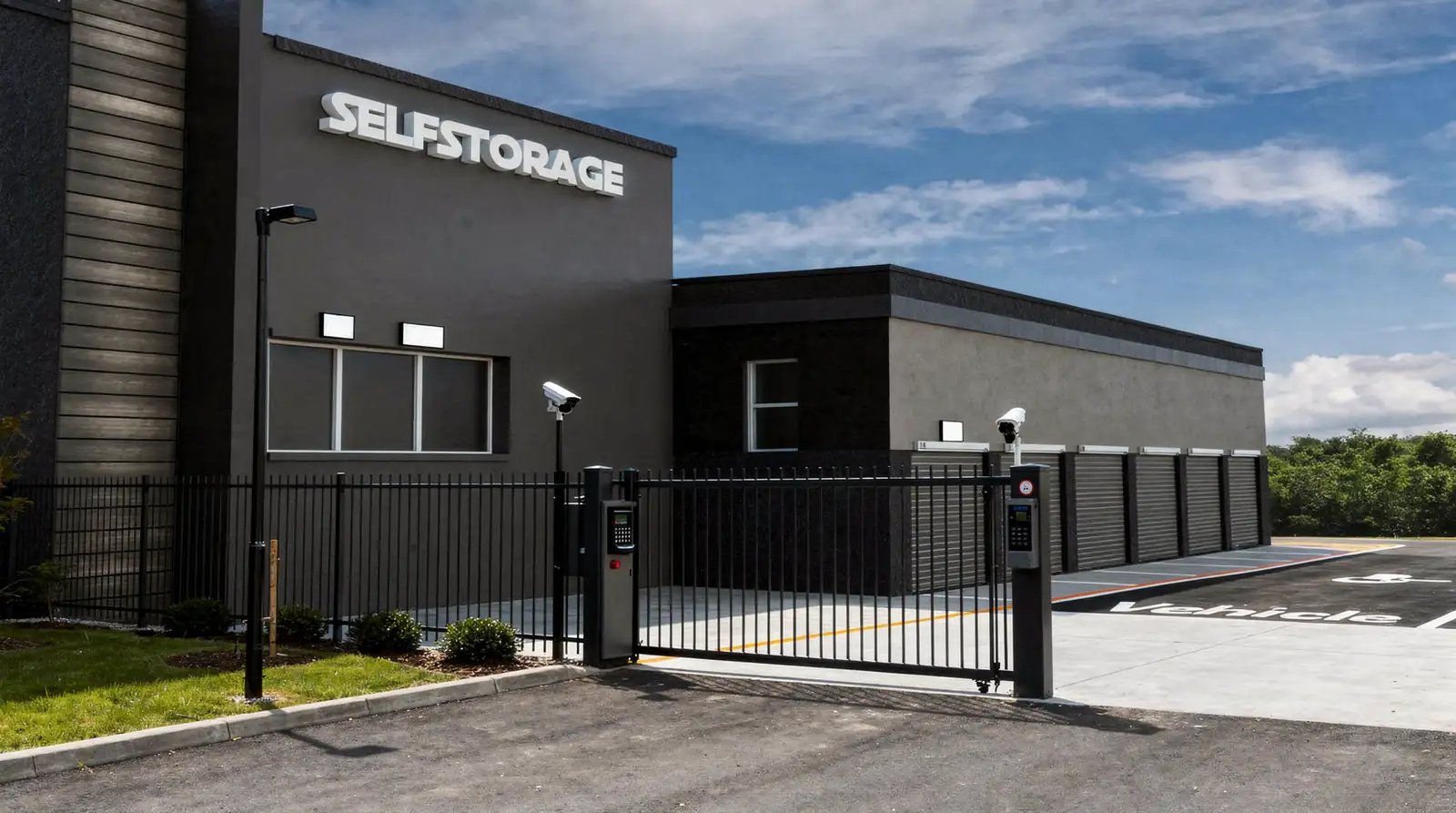
Before committing to a lease, renters should ask about gates, lighting, and surveillance coverage. These features protect boat storage, car storage near me, and motorcycle storage units alike, reducing exposure to theft or vandalism. Confirming these details alongside access and office hours gives renters a complete picture of how a facility operates day to day.

What Questions Should First-Time Renters Ask?
Four questions separate a confident rental decision from a costly mistake. First-time customers evaluating vehicle storage near me should investigate lease terms, hidden fees, unit sizing, and search tools before signing anything. Skipping these questions risks unexpected charges or a unit too small for a boat, RV, or trailer.
What should renters check in the lease agreement?
Lease terms determine how much flexibility a renter actually has. Deposit amounts, notice periods for moving out, and renewal terms all belong in this conversation before a customer commits to a unit. A vague or rushed lease review often leads to surprise costs down the road.
Are there fees beyond the monthly rate?
Many facilities list an advertised monthly price that doesn't reflect the full cost. Renters should ask directly whether administrative fees, insurance requirements, or access charges apply on top of that base rate. Clarifying this upfront prevents budget surprises once the lease starts.
Beyond lease terms and fees, sizing matters just as much. Find Self Storage lists a range of unit sizes built for different renters, including individuals, families, couples, college students, retirees, and businesses. This variety lets a customer match a unit's dimensions to a specific vehicle—whether that's car storage near me, rv storage, boat storage, or motorcycle storage—before reserving anything.
Location and comparison tools round out the process. Searching by city or ZIP code allows renters to:
- Compare available storage units across nearby facilities
- Check current prices without visiting in person
- Reserve a unit online ahead of move-in day
This approach gives first-time renters a clear picture of cost, size, and terms before they ever walk through a facility's gate.
How Do You Compare and Reserve Storage?
Comparing storage options starts with a single search by city or ZIP code. Find Self Storage partners with more than 10,000 storage facilities nationwide. Renters comparing vehicle storage near me rarely run out of options. That scale matters for first-time renters who don't yet know which facility features fit their rv storage, boat storage, or car storage near me needs. Skipping comparison shopping often means overpaying or landing at a facility without the right unit size.
What cities does Find Self Storage cover?
Major markets, including Miami, Houston, Los Angeles, Chicago, Boston, Marietta, and Fort Lauderdale, all appear in the Find Self Storage network. Renters relocating to these cities can check listed storage options before arrival. This removes much of the guesswork tied to unfamiliar neighborhoods and facility types.
How does the reservation process work?
The process runs entirely through the city or ZIP code search tool. Renters enter a location, review current prices and availability, then reserve a unit online. No phone calls to multiple facilities are required.
A typical comparison includes:
- Location search by city or ZIP code to surface nearby facilities
- Price and availability check across multiple listed options
- Unit selection sized for cars, motorcycles, RVs, or boats
- Online reservation completed without an in-person visit
Renters storing a motorcycle storage unit or a full-size RV benefit equally from this side-by-side comparison. Checking several facilities before committing helps first-time renters avoid mismatched unit sizes and unnecessary costs. Reserving online also locks in pricing before availability changes.
FAQ
What should you evaluate before renting vehicle storage?
Evaluate storage type—indoor, covered, or outdoor—along with security features, access hours, and lease terms. Confirm all costs upfront, since additional fees beyond base rental rates apply at many facilities.
Does storage protect boats and RVs from weather damage?
Yes, keeping a boat or RV under cover significantly reduces exposure to harsh UV rays and hail that fade or deteriorate paint, upholstery, and rubber seals. This matters most for vehicles left outdoors for months between trips.
What storage formats are available for different vehicles?
FindSelfStorage.com offers vehicle storage, climate-controlled units, 24-hour access units, and drive-up storage. RVs require length and clearance for the full vehicle plus door space, while boats depend on hull width and trailer tongue length.